




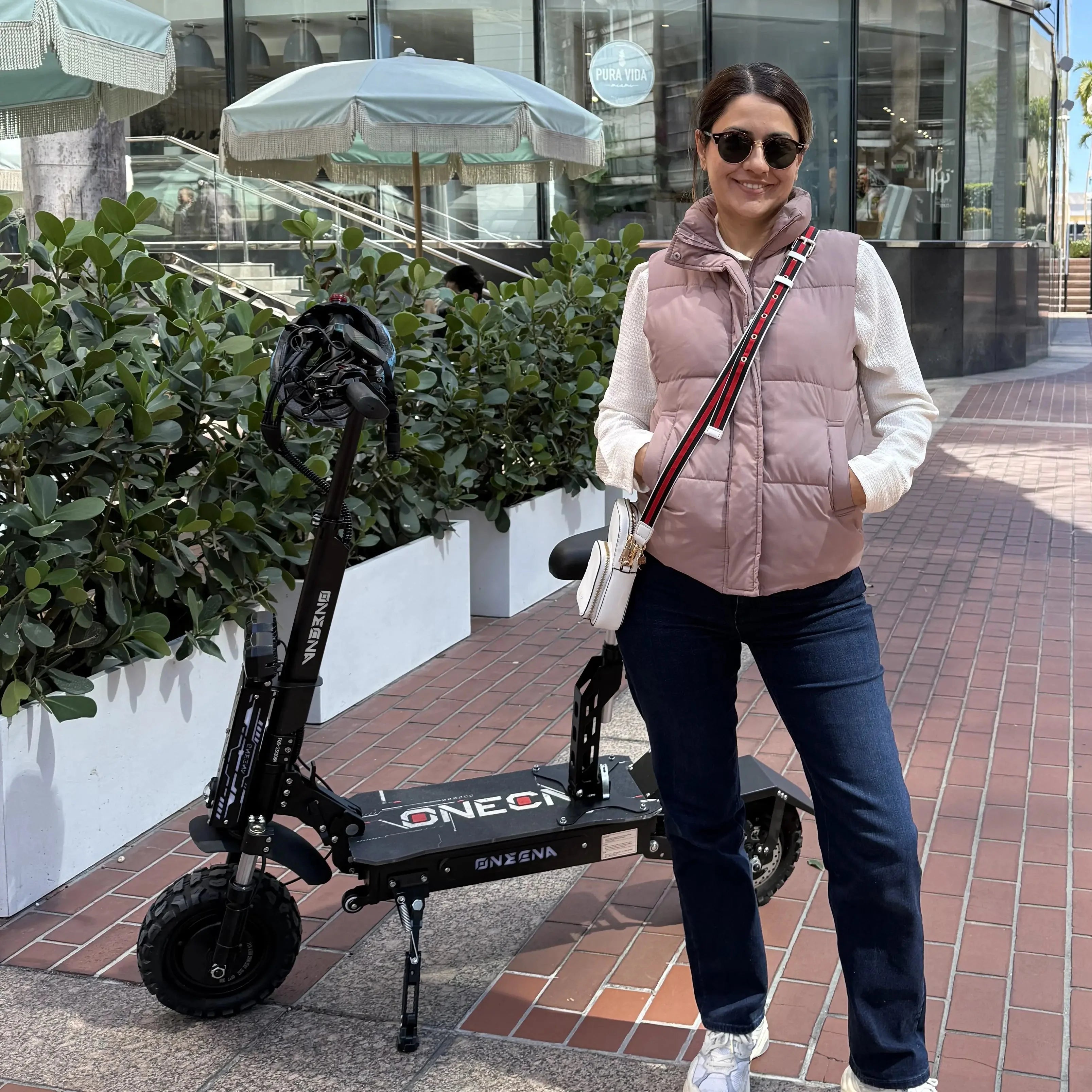
How to Charge an E Scooter: A Complete Guide for Safe and Efficient Charging
Learning how to charge an e scooter correctly is one of the most important habits you can build as a rider. Improper charging shortens battery life, creates safety risks, and costs you money over time. This guide covers everything — from the right charger to use, to how long charging takes, to the best overnight habits — so your scooter stays reliable ride after ride.

Table of Contents
- What Is E Scooter Charging — and Why It Matters
- What Charger Do You Need?
- How to Charge an E Scooter: Step-by-Step
- How Long Does Charging Take?
- When Should You Charge Your E Scooter?
- Safe Charging Practices You Should Never Skip
- Battery Care Tips to Extend Lifespan
- Common Charging Mistakes (and How to Avoid Them)
- FAQ
1. What Is E Scooter Charging — and Why It Matters
An electric scooter runs on a lithium-ion (Li-ion) or lithium iron phosphate (LiFePO₄) battery pack. Unlike a phone battery, an e scooter battery is large, high-voltage, and directly tied to your safety on the road. How you charge it determines not just how far you can ride tomorrow — but how many total years the battery will last.
Most adult electric scooters use battery packs ranging from 36V to 72V, with capacities between 10Ah and 35Ah. The charging process replenishes the cells through a controlled current flow managed by a Battery Management System (BMS). The BMS is your scooter's built-in safety layer — it monitors temperature, voltage, and current to prevent overcharge and over-discharge.
Understanding this system helps you make smarter decisions every time you plug in.

2. What Charger Do You Need?
Always use the charger that came with your scooter, or a manufacturer-approved replacement. This is not optional advice — it is a safety requirement.
Here is what to check on any charger before using it:
- Output voltage: Must match your scooter's battery voltage exactly (e.g., 42V for a 36V pack, 54.6V for a 48V pack, 84V for a 72V pack).
- Output current (Amperage): Higher amps = faster charge, but only use what the manufacturer specifies. Exceeding this can damage cells.
- Connector type: XLR, DC barrel, or proprietary — must physically match your scooter's charge port.
- Certifications: Look for UL, CE, or FCC markings. Uncertified chargers are a fire risk.
If you need a replacement charger, always source it from the scooter manufacturer or an authorized retailer. Third-party chargers sold on generic marketplaces often have incorrect voltage tolerances that the BMS cannot fully compensate for.
3. How to Charge an E Scooter: Step-by-Step
The process is straightforward, but the order of steps matters for both safety and battery health.
- Let the scooter cool down first. If you just finished a long or demanding ride, wait 15–30 minutes before plugging in. Charging a hot battery accelerates cell degradation.
- Park on a hard, flat, non-flammable surface. Avoid carpet, wood floors, or areas near flammable materials. A concrete garage floor or tiled area is ideal.
- Open the charge port cover and inspect the port for moisture or debris. Never charge a wet scooter.
- Plug the charger into the wall outlet first, then connect it to the scooter. This sequence prevents voltage spikes at the connector.
- Confirm the indicator light changes. Most chargers show red or orange while charging, and green when complete.
- Do not leave charging unattended for extended periods, especially overnight, unless your scooter has a smart BMS with auto-cutoff that you have verified is functioning.
- When charging is complete, disconnect the charger from the scooter first, then unplug from the wall.

4. How Long Does Charging Take?
Charging time depends on three variables: battery capacity, charger output current, and current state of charge. Here is a practical reference:
| Battery Capacity | Charger Output | Approx. Charge Time (0–100%) |
|---|---|---|
| 15Ah / 48V | 2A | 7–8 hours |
| 20Ah / 60V | 3A | 7–9 hours |
| 28Ah / 72V | 5A | 6–7 hours |
| 35Ah / 72V | 5A | 8–10 hours |
The final 20% of a charge cycle (from 80% to 100%) takes disproportionately longer because the BMS reduces current to protect the cells — this is called the constant voltage phase. It is normal and expected.
Pro tip: If you only need 80% charge for your next ride, stopping there is actually better for long-term battery health. More on this below.
5. When Should You Charge Your E Scooter?
Timing your charges correctly is one of the highest-leverage habits for battery longevity. Here are the key principles:
- Charge before it drops below 20%. Lithium cells experience accelerated wear when deeply discharged. Treat 20% as your personal "low fuel" warning.
- Do not charge immediately after a hard ride. Give the battery 15–30 minutes to cool. Heat is the primary enemy of lithium cell chemistry.
- Charge the night before a planned ride, not weeks in advance. Storing a battery at 100% for extended periods causes a slow form of degradation called calendar aging.
- For long-term storage (2+ weeks without riding), store the battery at 40–60% charge in a cool, dry location. This is the optimal resting state for lithium chemistry.
- Charge at room temperature. Avoid charging in temperatures below 0°C (32°F) or above 40°C (104°F). Cold charging can cause lithium plating inside the cells, which is irreversible damage.

6. Safe Charging Practices You Should Never Skip
E scooter battery fires, while rare, do happen — and they are almost always caused by one of three things: a damaged battery, an incompatible charger, or improper charging environment. These practices eliminate most of that risk:
- Never charge indoors in a bedroom or sleeping area. If a thermal event occurs, you need to be awake and able to respond. Charge in a garage, hallway, or ventilated utility space.
- Install a smoke detector near your charging area if one is not already present.
- Inspect the battery and charger regularly for swelling, cracks, unusual heat, or burning smell. Any of these signs means stop charging immediately and contact the manufacturer.
- Never charge a visibly damaged scooter. If you have been in a crash or the battery casing is compromised, have it inspected before charging.
- Use a surge-protected power strip or a dedicated outlet. Voltage spikes from the grid can stress the charger's internal components over time.
- Keep a fire extinguisher rated for electrical fires (Class C / ABC) nearby. This is a general best practice for any space where lithium batteries are charged.
7. Battery Care Tips to Extend Lifespan
A well-maintained lithium battery in an adult electric scooter should last 500–1,000 full charge cycles before capacity noticeably degrades. With good habits, you can push toward the higher end of that range.
- Avoid full 0–100% cycles daily. Charging from 20% to 80% puts far less stress on cells than full cycles. Reserve full charges for days when you need maximum range.
- Ride smoothly. Aggressive acceleration and hard braking draw high current spikes from the battery, which generate heat and stress the cells. Smooth riding extends both range and battery life.
- Keep the scooter out of direct sunlight when parked. A battery sitting in a hot car or under direct sun can reach temperatures that accelerate degradation even without charging.
- Update firmware if your scooter supports it. Some manufacturers release BMS firmware updates that improve charge management algorithms.
- Track your battery's behavior over time. If you notice a sudden drop in range — say, 20% less range than six months ago — that is a signal to have the battery inspected.

8. Common Charging Mistakes (and How to Avoid Them)
| Mistake | Why It's a Problem | What to Do Instead |
|---|---|---|
| Using a third-party charger with wrong voltage | Can overcharge cells, causing swelling or fire | Use OEM or manufacturer-approved charger only |
| Charging immediately after a long ride | Hot cells charge less efficiently and degrade faster | Wait 15–30 minutes to cool down first |
| Leaving at 100% for days before riding | Calendar aging at full charge reduces capacity | Charge the night before, not days in advance |
| Draining to 0% regularly | Deep discharge stresses cells and shortens cycle life | Recharge when battery hits 20% |
| Charging in extreme cold | Causes lithium plating — permanent internal damage | Bring scooter to room temperature before charging |
| Charging on carpet or near flammables | Fire hazard if thermal event occurs | Always charge on hard, non-flammable surfaces |
FAQ: How to Charge an E Scooter
How long does it take to charge an electric scooter?
Most adult electric scooters take between 4 and 10 hours for a full charge, depending on battery capacity and charger output. High-capacity dual-motor scooters with 28Ah–35Ah batteries typically take 7–10 hours with a standard charger. Using a higher-amperage charger (if supported by the manufacturer) can reduce this to 4–6 hours.
Can I charge my e scooter overnight?
You can, provided your scooter has a functioning BMS with auto-cutoff and you are charging in a safe, ventilated area — not a bedroom. However, the best practice is to charge during waking hours so you can monitor it, and unplug once the indicator shows full.
What happens if I use the wrong charger?
Using a charger with incorrect voltage can bypass or overwhelm the BMS, leading to overcharging, cell swelling, reduced battery life, or in severe cases, thermal runaway (fire). Always verify voltage and amperage match your scooter's specifications before using any charger.
Should I charge my e scooter after every ride?
Not necessarily. If your battery is above 40–50% after a ride, you can wait until it drops closer to 20% before charging. Frequent partial charges are actually gentler on lithium cells than daily full cycles.
How do I know when my e scooter is fully charged?
The charger's indicator light will typically turn green (from red or orange) when charging is complete. Some scooters also display battery percentage on their dashboard. Always confirm via both the charger light and the scooter display if available.
Can I charge my electric scooter in the rain or after riding in wet conditions?
No. Never charge a wet scooter. Water in or near the charge port creates a short-circuit risk. Dry the scooter thoroughly — including the charge port — before plugging in. Most scooters have an IP rating for riding in light rain, but the charge port is typically not waterproof.
How many times can I charge my e scooter battery?
Most lithium-ion e scooter batteries are rated for 500–1,000 full charge cycles before capacity drops to around 80% of original. With partial charging habits (20%–80% range), you can significantly extend the effective lifespan beyond that rating.
Is it bad to leave my e scooter plugged in after it's fully charged?
Yes, over time. While the BMS will stop active charging, keeping the battery at 100% for extended periods causes a slow form of stress called calendar aging. Unplug once charging is complete, especially if you are not riding for several days.
Share:
Florida E Scooter Laws 2026: Speed Limits, License Requirements and Safety Rules
Do You Need a License for an E Scooter? Everything You Need to Know