




Can You Legally Ride Electric Scooter on the Road Without License?
Many new riders ask, can you ride electric scooter on the road without license legally in the United States? In many states, the answer is yes — but laws vary depending on scooter speed, local regulations, road type, and rider age. Some states allow riders to use an electric scooter on the road without license, while others may require permits, registration, or specific riding restrictions for higher-performance models.
As electric scooters become more popular for commuting and recreational riding, local governments continue updating traffic laws to define where scooters can operate and whether a driver's license is required.
Understanding these laws is extremely important before riding on public roads, bike lanes, or higher-speed urban streets.

Quick Navigation
- Do You Need a License for Electric Scooters?
- State Laws & Road Rules
- When Speed Changes the Law
- How to Get a Scooter License or Permit
- ONECNA Electric Scooter Comparison
- FAQ
Do You Need a License for Electric Scooters?
In many U.S. states, low-speed electric scooters do not require a motorcycle license or special registration. However, laws differ depending on:
- Top speed
- Motor power
- Road classification
- Local traffic regulations
- Rider age
For example, many commuter scooters operating under lower speed limits are treated similarly to bicycles or e-bikes in some jurisdictions.
However, higher-performance scooters capable of 40–55 MPH may face additional restrictions depending on local enforcement and road usage laws.
State Laws & Road Rules
Electric scooter laws vary significantly across the United States.
Common State Regulations Include:
- Helmet requirements for younger riders
- Bike lane recommendations
- Maximum road speed restrictions
- Night lighting requirements
- Minimum rider age laws
- Restrictions on sidewalks
Examples of different approaches include:
- California commonly allows electric scooters on roads with lower speed limits
- Florida generally permits scooter use in bike lanes and certain streets
- Texas regulations vary heavily by city
- New York legalized electric scooters statewide with local restrictions
Because local rules continue changing, riders should always verify city and state regulations before riding.
When Speed Changes the Law
One major factor affecting license requirements is scooter speed capability.
Many cities are more relaxed toward commuter scooters operating around 15–25 MPH. However, higher-performance scooters may attract additional scrutiny because they can operate closer to motorcycle-level speeds.
That is why riders often use lower riding modes in traffic-heavy urban environments.
For example:
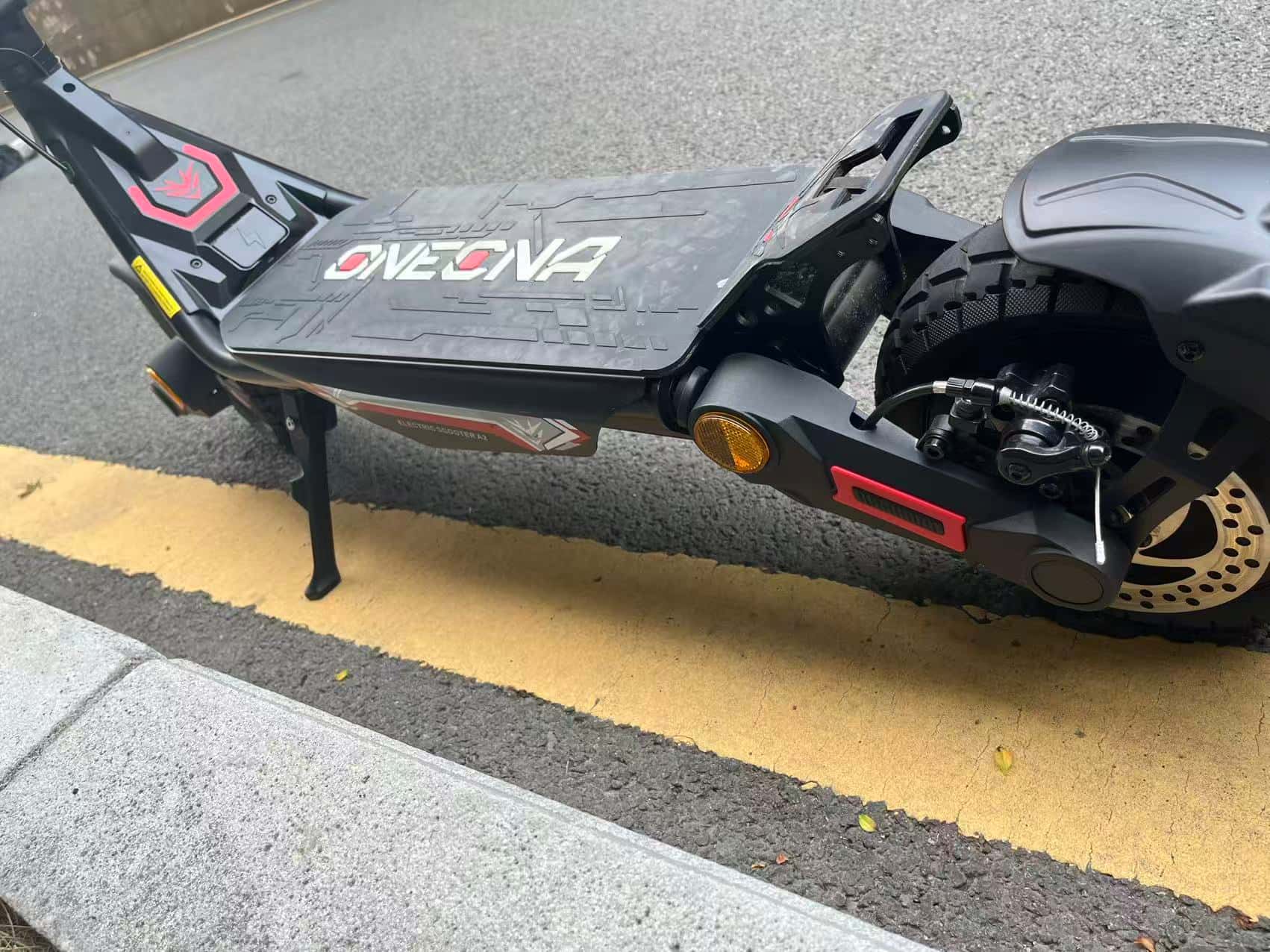
- T3 and A2 are more commuter-oriented
- GT series models offer higher-performance capability
- Adjustable riding modes can help riders remain safer in urban traffic
Road safety, braking distance, and local enforcement become more important as speed increases.
How to Get a Scooter License or Permit
If your local area requires a permit or driver's license for higher-powered scooters, the process often depends on existing motorcycle or standard vehicle regulations.
Common Requirements May Include:
- Valid driver's license
- Minimum rider age
- Basic road knowledge tests
- Vehicle registration in some states
- Helmet compliance
Many riders never need a special scooter license because lower-speed commuter scooters are already permitted under local transportation rules.
However, riders using powerful dual-drive scooters should always understand local road laws before riding in public traffic.
ONECNA Electric Scooter Comparison
| Model | Price | Top Speed | Range | Load | Tires |
|---|---|---|---|---|---|
| T3 | $569 | 28 MPH | 40 Miles | 330 LBS | 10" |
| A2 | $649 | 35 MPH | 45 Miles | 330 LBS | 10" |
| GT7 | $899 | 45 MPH | 55 Miles | 550 LBS | 11" |
| GT8 PRO | $1299 | 50 MPH | 60 Miles | 550 LBS | 11" |
| GT9 | $1599 | 55 MPH | 70 Miles | 550 LBS | 12" |
FAQ
Can you ride an electric scooter without a license?
In many states, yes. Lower-speed electric scooters often do not require a special license, although laws vary depending on local regulations.
Do high-speed electric scooters require registration?
Some areas may require registration or additional compliance for high-performance scooters capable of higher speeds.
Can electric scooters ride in bike lanes?
Many cities allow electric scooters in bike lanes, although local restrictions may apply.
Do you need a motorcycle license for electric scooters?
Usually not for commuter scooters, but some higher-powered models may fall into different legal categories depending on state laws.
Which ONECNA scooter is best for commuting?
T3 and A2 are excellent commuter-focused models, while GT8 PRO offers stronger performance for riders wanting more speed and range.
Share:
Best Electric Scooter With a Seat: Compare ONECNA GT Models
Best Cheapest 50 MPH Electric Scooter for Adults in 2026