




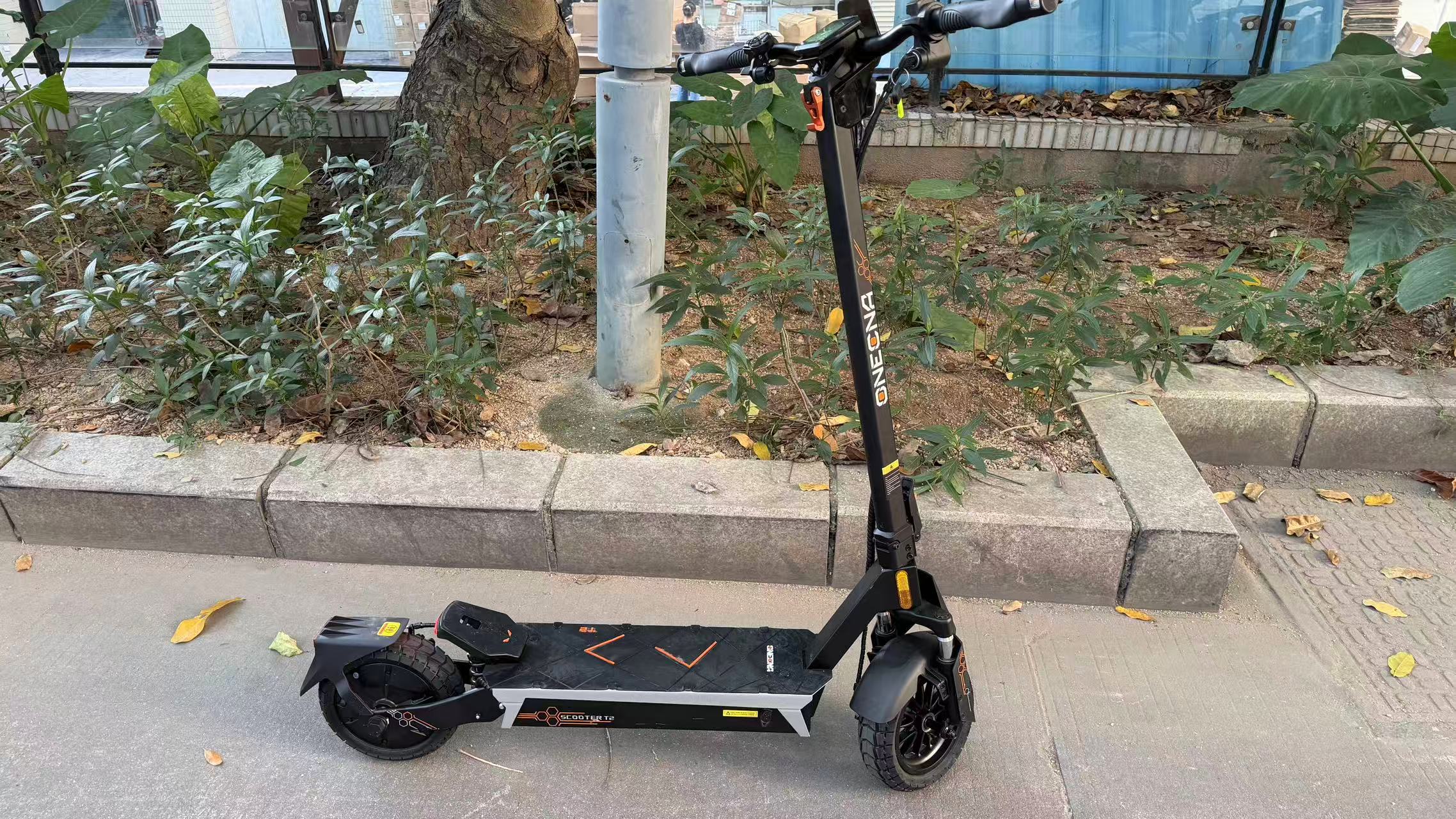
How Long Does an Electric Scooter Last on One Charge? The Real Range Guide for Riders
How long does an electric scooter last on one charge is one of the first questions buyers ask before purchasing an electric scooter. Whether you're commuting to work, riding around campus, or planning weekend adventures, understanding real-world scooter range helps you choose the right model and avoid range anxiety. While manufacturers often advertise maximum mileage figures, actual riding distance can vary significantly depending on speed, terrain, rider weight, battery size, and weather conditions.
In this guide, we'll explain how electric scooter range works, what factors influence battery performance, how to maximize mileage from every charge, and how the current ONECNA lineup compares for riders seeking longer distances between charging sessions.

Quick Answer
Most electric scooters last between 15 and 70 miles on a single charge depending on battery size and riding conditions.
- Entry-level scooters: 10-20 miles
- Commuter scooters: 20-40 miles
- Performance scooters: 40-60 miles
- Premium long-range scooters: 60-70+ miles
Among the current ONECNA lineup, range varies from 40 miles on the T3 up to 70 miles on the GT9.
Table of Contents
- What Determines Scooter Range?
- Real Range vs Advertised Range
- Battery Capacity Explained
- 7 Factors That Affect Range
- How to Make Your Scooter Go Further
- ONECNA Range Comparison
- How Much Range Do You Actually Need?
- FAQ
What Determines How Long an Electric Scooter Lasts on One Charge?
The biggest factor affecting range is battery capacity. Larger batteries store more energy and allow riders to travel further before needing to recharge.
However, battery size isn't the only factor. Two scooters with identical battery capacities can produce very different results depending on riding conditions.
The most important variables include:
- Battery capacity (Ah and Wh)
- Motor efficiency
- Rider weight
- Average riding speed
- Terrain and hills
- Tire pressure
- Weather conditions
Think of an electric scooter similarly to an electric vehicle. Just because a vehicle is rated for a certain distance doesn't mean every driver will achieve that number in daily use.
Why Advertised Range and Real Range Are Different
Many new riders are surprised when their scooter doesn't achieve the exact mileage shown on the product page.
This isn't necessarily misleading. Manufacturers typically test scooters under ideal conditions:
- Flat roads
- Light rider weight
- Moderate speeds
- No wind resistance
- Fully inflated tires
- Warm temperatures
Real-world riding rarely matches these conditions.
For example, a rider weighing 220 lbs who regularly climbs hills and rides at maximum speed may experience significantly less range than a rider weighing 150 lbs traveling on flat bike paths.
This is why experienced riders typically expect real-world range to be somewhere below maximum laboratory estimates.
Understanding Battery Capacity
Battery capacity is commonly measured in watt-hours (Wh).
The higher the watt-hour rating, the greater the potential riding range.
General Range Estimates by Battery Size
| Battery Capacity | Typical Range |
|---|---|
| 300-500 Wh | 10-20 Miles |
| 500-800 Wh | 20-35 Miles |
| 800-1200 Wh | 35-55 Miles |
| 1200+ Wh | 55-70+ Miles |
Generally speaking, larger batteries provide both greater range and improved long-term battery health because they experience less stress during normal use.
7 Factors That Affect Scooter Range
1. Rider Weight
Heavier riders require more power to accelerate and maintain speed.
A scooter carrying a 250-pound rider will typically consume more battery power than the same scooter carrying a 150-pound rider.
2. Riding Speed
Speed is one of the biggest range killers.
Riding at maximum speed continuously consumes far more energy than riding at moderate cruising speeds.
3. Hills and Elevation
Climbing steep hills requires substantial power output.
Riders in mountainous regions should expect shorter range than riders traveling mostly on flat roads.
4. Tire Pressure
Underinflated tires increase rolling resistance and force the motor to work harder.
Proper tire maintenance can noticeably improve efficiency.
5. Wind Resistance
Strong headwinds act similarly to riding uphill and can significantly reduce range.
6. Temperature
Cold weather affects lithium battery performance.
Many riders notice shorter range during winter compared to summer.
7. Riding Style
Aggressive acceleration and frequent hard braking consume more energy than smooth, controlled riding.
How to Make Your Electric Scooter Go Further
Keep Tires Properly Inflated
Maintaining recommended tire pressure improves efficiency and reduces rolling resistance.
Ride at Moderate Speeds
Maximum speed riding dramatically increases power consumption.
Avoid Full Battery Depletion
Keeping your battery healthy helps maintain range over time.
Reduce Unnecessary Weight
Heavy backpacks and cargo increase battery usage.
Charge Correctly
Using the original charger and following manufacturer guidelines helps preserve long-term battery health.
ONECNA Electric Scooter Range Comparison
ONECNA offers models ranging from affordable commuters to powerful long-range performance scooters.
| Model | Price | Top Speed | Range | Load Capacity | Tire Size |
|---|---|---|---|---|---|
| T3 | $569 | 28 MPH | 40 Miles | 265 LBS | 10" |
| A2 | $649 | 35 MPH | 45 Miles | 265 LBS | 10" |
| GT7 | $899 | 45 MPH | 55 Miles | 550 LBS | 11" |
| GT8 PRO | $1299 | 50 MPH | 60 Miles | 550 LBS | 11" |
| GT9 | $1599 | 55 MPH | 70 Miles | 550 LBS | 12" |
Best ONECNA Scooter for Maximum Range
The GT9 currently delivers the longest range in the ONECNA lineup, reaching up to 70 miles under ideal riding conditions.
For riders who regularly travel long distances, commute daily, or simply want fewer charging sessions, the GT9 provides the greatest battery capacity and endurance.
The GT8 PRO and GT7 also offer excellent long-range performance while maintaining strong value for performance-focused riders.
How Much Range Do You Actually Need?
Many riders purchase more range than they truly need.
Consider your daily riding distance:
- 5-10 miles/day → T3 may be sufficient.
- 10-20 miles/day → A2 works comfortably.
- 20-30 miles/day → GT7 provides extra reserve.
- 30+ miles/day → GT8 PRO or GT9 become attractive choices.
Choosing a scooter with additional range capacity provides flexibility and reduces charging frequency.
Final Thoughts
So, how long does an electric scooter last on one charge? The answer depends on battery capacity, rider weight, terrain, speed, and riding habits. While entry-level scooters may travel 10-20 miles, premium electric scooters can exceed 60 miles on a single charge.
For riders seeking dependable long-distance performance, the ONECNA lineup offers options ranging from 40 miles on the T3 to 70 miles on the flagship GT9. By understanding real-world range factors and following proper battery care practices, riders can maximize every charge and enjoy more time on the road.
Frequently Asked Questions
How long does an electric scooter last on one charge?
Most electric scooters travel between 15 and 70 miles depending on battery size and riding conditions.
Why doesn't my scooter reach the advertised range?
Factors such as rider weight, speed, hills, temperature, and wind resistance affect real-world performance.
Which ONECNA scooter has the longest range?
The GT9 currently offers up to 70 miles of range under ideal conditions.
Does riding faster reduce range?
Yes. Higher speeds require more power and typically shorten battery life per charge.
Can cold weather affect scooter range?
Yes. Lithium-ion batteries generally perform less efficiently in colder temperatures.
Share:
How Long Does an Electric Scooter Last? Lifespan Guide
Is an Electric Scooter a Motor Vehicle? Rules & Laws Guide