




Will Medicare Pay for Electric Scooter Coverage in 2026?
People searching will medicare pay for electric scooter coverage are usually trying to understand whether Medicare can help reduce the cost of mobility transportation devices, what medical conditions may qualify, and how the approval process works before making a purchase decision. If you are researching will medicare pay for electric scooter eligibility, it is important to understand that Medicare rules apply very differently to medical mobility scooters versus recreational or performance electric scooters.
Over the past few years, electric scooters have become more common for transportation, commuting, and personal mobility. However, Medicare coverage is specifically designed for medically necessary mobility assistance inside the home rather than high-speed outdoor riding or recreational travel. In this guide, we explain what Medicare may cover, how the qualification process works, common reasons claims are denied, and how modern electric scooters compare across different riding categories.

Quick Navigation
Mobility Scooters vs Electric Scooters
One of the biggest sources of confusion is that many people use the term “electric scooter” to describe completely different products.
In Medicare terminology, a mobility scooter is generally considered a medical mobility device designed to help individuals move safely inside their home environment.
Performance electric scooters, however, are usually built for:
- Urban commuting
- Outdoor transportation
- High-speed riding
- Off-road recreation
- Long-distance travel
Because of this distinction, Medicare typically evaluates mobility scooters very differently from recreational electric scooters.
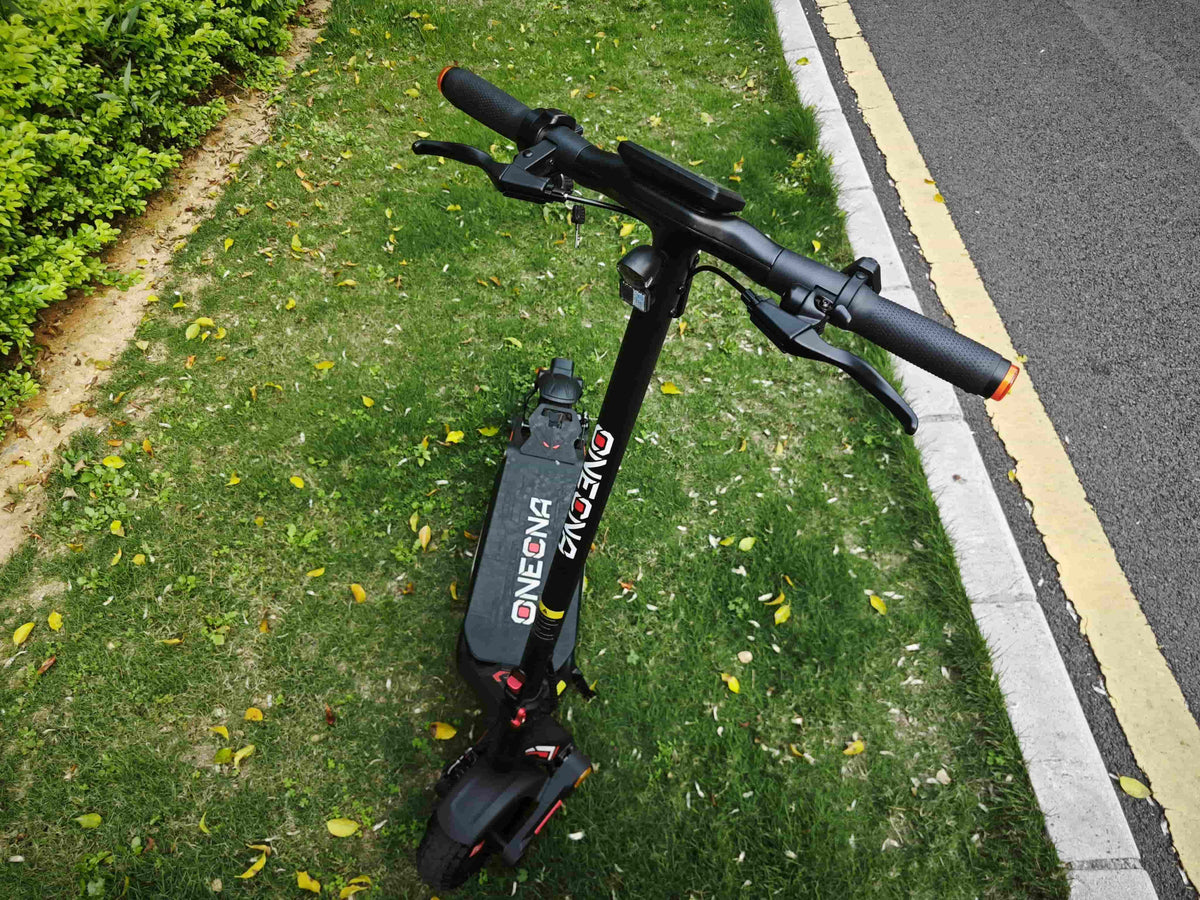
For example, the ONECNA GT series focuses on transportation performance, riding range, larger tires, and high-speed capability rather than medical mobility assistance.
Medicare Coverage Rules Explained
Under Medicare Part B, certain mobility scooters may qualify as durable medical equipment (DME) if they are considered medically necessary.
To potentially receive coverage, patients usually must:
- Have limited mobility caused by a medical condition
- Be unable to safely complete daily living activities without assistance
- Receive a face-to-face medical examination
- Obtain a written prescription from a healthcare provider
- Use a Medicare-approved supplier
Importantly, Medicare coverage focuses primarily on mobility needs inside the home, not outdoor commuting convenience.
This means scooters intended for sports riding, high-speed transportation, or off-road performance are generally not included under standard Medicare scooter coverage rules.
How the Qualification Process Works
Step 1 — Medical Evaluation
A doctor must evaluate whether the patient has a mobility limitation severe enough to require a scooter for daily living activities.
Step 2 — Documentation
Medical records must document why other mobility aids such as canes or walkers are insufficient.
Step 3 — Prescription Approval
If medically necessary, the healthcare provider submits a written prescription and supporting documentation.
Step 4 — Medicare Supplier Review
The scooter provider must participate in Medicare and follow Medicare billing guidelines.
Step 5 — Coverage Decision
Medicare reviews the request and determines whether partial coverage applies under current rules.
Why Some Medicare Claims Get Denied
Many scooter claims are denied because the requested scooter does not meet Medicare's definition of medically necessary equipment.
Common reasons for denial include:
- The scooter is intended mainly for outdoor use
- The scooter exceeds basic mobility needs
- Medical documentation is incomplete
- The patient can safely use a walker or cane instead
- The supplier is not Medicare-approved
This is especially important for riders researching high-performance electric scooters online. Even though modern electric scooters can improve transportation independence, Medicare generally separates recreational transportation devices from medical mobility equipment.
ONECNA Electric Scooter Comparison
| Model | Price | Top Speed | Range | Load | Tires |
|---|---|---|---|---|---|
| T3 | $569 | 30 MPH | 40 Miles | 265 LBS | 10" |
| A2 | $649 | 35 MPH | 45 Miles | 265 LBS | 10" |
| GT7 | $899 | 45 MPH | 55 Miles | 550 LBS | 11" |
| GT8 PRO | $1299 | 50 MPH | 60 Miles | 550 LBS | 11" |
| GT9 | $1599 | 55 MPH | 70 Miles | 550 LBS | 12" |
Choosing the Right Scooter for Your Needs
T3 — Best Lightweight City Commuter
The T3 is designed for riders looking for affordable transportation with practical city riding performance.
A2 — Best Budget Dual-Motor Option
A2 provides stronger acceleration and improved riding flexibility for commuters who want more power without entering the high-performance category.
GT7 — Best Entry-Level Performance Scooter
GT7 delivers serious climbing power, dual-motor acceleration, and 11-inch tires for riders exploring more aggressive riding conditions.
GT8 PRO — Best Long-Range Balance
GT8 PRO combines speed, riding comfort, and extended battery range for versatile commuting and weekend riding.
GT9 — Best Flagship Performance Scooter
GT9 offers the highest top speed, longest range, and largest tires in the ONECNA lineup, making it ideal for experienced riders seeking advanced performance capability.
Frequently Asked Questions
1. Will Medicare pay for electric scooter purchases?
Medicare may help cover medically necessary mobility scooters under certain conditions, but recreational electric scooters are generally not covered.
2. Does Medicare cover high-speed electric scooters?
No. Performance scooters designed for transportation or recreation are usually excluded from Medicare mobility coverage.
3. Do you need a doctor's prescription?
Yes. Medicare typically requires a face-to-face evaluation and written prescription documenting medical necessity.
4. Why are some scooter claims denied?
Claims may be denied if the scooter is not medically necessary, intended mainly for outdoor use, or supplied by a non-approved provider.
5. Which ONECNA scooter is best for commuting?
T3 and A2 are strong commuter-friendly options, while GT7, GT8 PRO, and GT9 focus more on performance riding.
6. Does Medicare cover off-road electric scooters?
Generally no. Medicare coverage focuses on medical mobility assistance rather than recreational or off-road riding.
7. Which ONECNA scooter has the longest range?
GT9 offers up to 70 miles of maximum riding range under ideal riding conditions.
Share:
Will Medicare Pay for an Electric Scooter and Which Models Qualify
Best 100 Mile Range Electric Scooter Alternatives for Long Distance Riding