




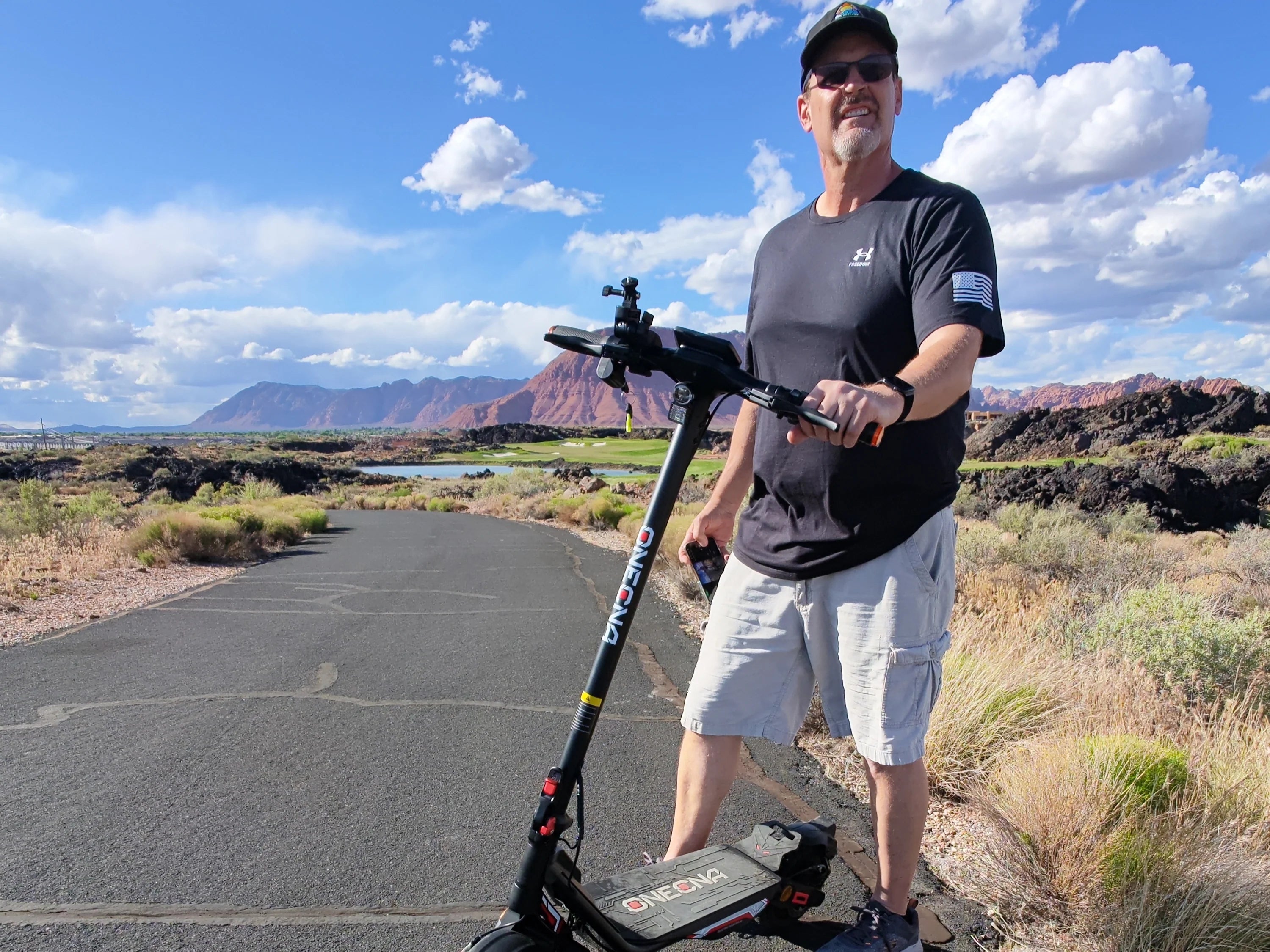
How to Make an E Scooter Go Faster: Tips to Boost Speed Safely
Wondering how to make an e scooter go faster without putting yourself at risk? You're not alone. Whether you're commuting across town or cruising a bike path, getting a little more speed out of your electric scooter is one of the most common questions riders ask. The good news: there are several legitimate, safe ways to improve your scooter's performance — and a few traps to avoid. This guide walks you through all of it, clearly and honestly.

📋 Article Summary (Structured Outline)
- What affects e scooter speed — motor power, battery voltage, weight, terrain, and riding mode
- Why you'd want more speed — commute efficiency, range optimization, and riding confidence
- How to safely boost speed — 7 actionable methods, ranked from easiest to most advanced
- When to stop — legal limits, safety thresholds, and warranty considerations
- FAQ — answers to the most common speed-related questions
What Actually Controls Your E Scooter's Speed?
Before you try to go faster, it helps to understand what's holding you back. Electric scooter speed is determined by a combination of factors — not just the motor.
1. Motor Wattage
The motor is the most direct driver of top speed. A 250W hub motor will cap out around 15 mph under ideal conditions. A dual-motor setup rated at 5,600W — like what you'd find on a performance-grade scooter — can push well past 40 mph. More watts generally means more torque and higher top-end speed, but only if the battery and controller can keep up.
2. Battery Voltage
Higher voltage = faster motor spin. A 48V battery system will always be slower than a 60V or 72V system running the same motor. If your scooter feels sluggish, a degraded or undercharged battery is often the first culprit.
3. Rider Weight and Load
Physics doesn't negotiate. Every extra pound reduces acceleration and top speed. Riding with a heavy backpack or cargo bag can shave 2–5 mph off your real-world top speed compared to the manufacturer's spec (which is typically tested with a 165 lb rider on flat ground).
4. Terrain and Surface
Smooth asphalt is your friend. Gravel, grass, or inclines all create rolling resistance that drains speed and battery simultaneously. A scooter rated for 35 mph on flat pavement might only hit 22 mph on a 10% grade hill.
5. Riding Mode
Most modern electric scooters ship with multiple speed modes — Eco, Standard, and Sport (or equivalent). Many riders never leave Eco mode and wonder why their scooter feels slow. This is the easiest fix of all.

Why Riders Want More Speed (And Why It's Reasonable)
Speed isn't just about thrill-seeking. There are practical, legitimate reasons to want a faster e scooter:
- Commute efficiency: Keeping pace with urban bike lanes (typically 15–20 mph) means less stopping, less frustration, and a more predictable ride time.
- Safety in traffic: Counterintuitively, being able to accelerate quickly when needed — merging, crossing intersections — can be safer than being the slowest thing on the road.
- Range optimization: Riding at a consistent moderate speed (rather than constantly accelerating from a crawl) actually extends battery range.
- Rider confidence: A scooter that responds when you need it builds trust. Sluggish acceleration in a busy environment is stressful.
That said, speed for its own sake — especially beyond legal limits — creates real risk. We'll cover where the line is.
How to Make an E Scooter Go Faster: 7 Safe Methods
Method 1: Switch to Sport / High-Speed Mode
This is the first thing to check. Most scooters limit output in lower modes to conserve battery. On many models, you access Sport mode through the display panel — hold the power button for 3 seconds, or cycle through modes with the left handlebar button. Check your manual for the exact sequence.
On performance scooters like the GT7 or GT8 PRO, Sport mode unlocks the full dual-motor output, which is a significant jump from Eco mode — often 30–40% more top speed.
Method 2: Maintain Proper Tire Pressure
Underinflated tires are one of the most overlooked speed killers. A pneumatic tire running 10 PSI below spec creates noticeably more rolling resistance, which translates directly to slower speeds and reduced range.
- Check your scooter's recommended PSI (usually printed on the tire sidewall or in the manual)
- Use a quality gauge — don't guess
- Check pressure weekly if you ride daily
- For 11" pneumatic tires, typical range is 40–65 PSI depending on rider weight

Method 3: Keep Your Battery Fully Charged Before Rides
Battery voltage sags as charge depletes. A scooter at 20% charge will feel noticeably slower than the same scooter at 90% — this is normal electrochemistry, not a defect. For best performance:
- Charge to 100% before performance rides
- Avoid riding below 20% regularly (it degrades cell capacity over time)
- Store at 50–80% if not riding for extended periods
Method 4: Reduce Unnecessary Weight
Leave the heavy backpack at home when you want to ride fast. Every 20 lbs of extra weight reduces top speed by roughly 1–3 mph on a mid-range scooter. On a high-power scooter the effect is smaller, but still measurable on hills.
Method 5: Check and Clean the Drivetrain
Dirt, debris, and worn brake pads dragging against the rotor all create friction that slows you down. A quick maintenance check every few weeks goes a long way:
- Inspect brake pads — they should not contact the rotor when the brake lever is released
- Check that wheels spin freely by hand
- Clean any debris from around the motor hub
- Tighten any loose stem or deck bolts that cause vibration (vibration = energy loss)

Method 6: Update Firmware (If Available)
Some manufacturers
Share:
E Scooter Laws by State: Speed Limits, License Requirements and More
How to Reset an E Scooter: Easy Fixes for Common Problems
1 comment
How to make a Gt10 scooter go faster