




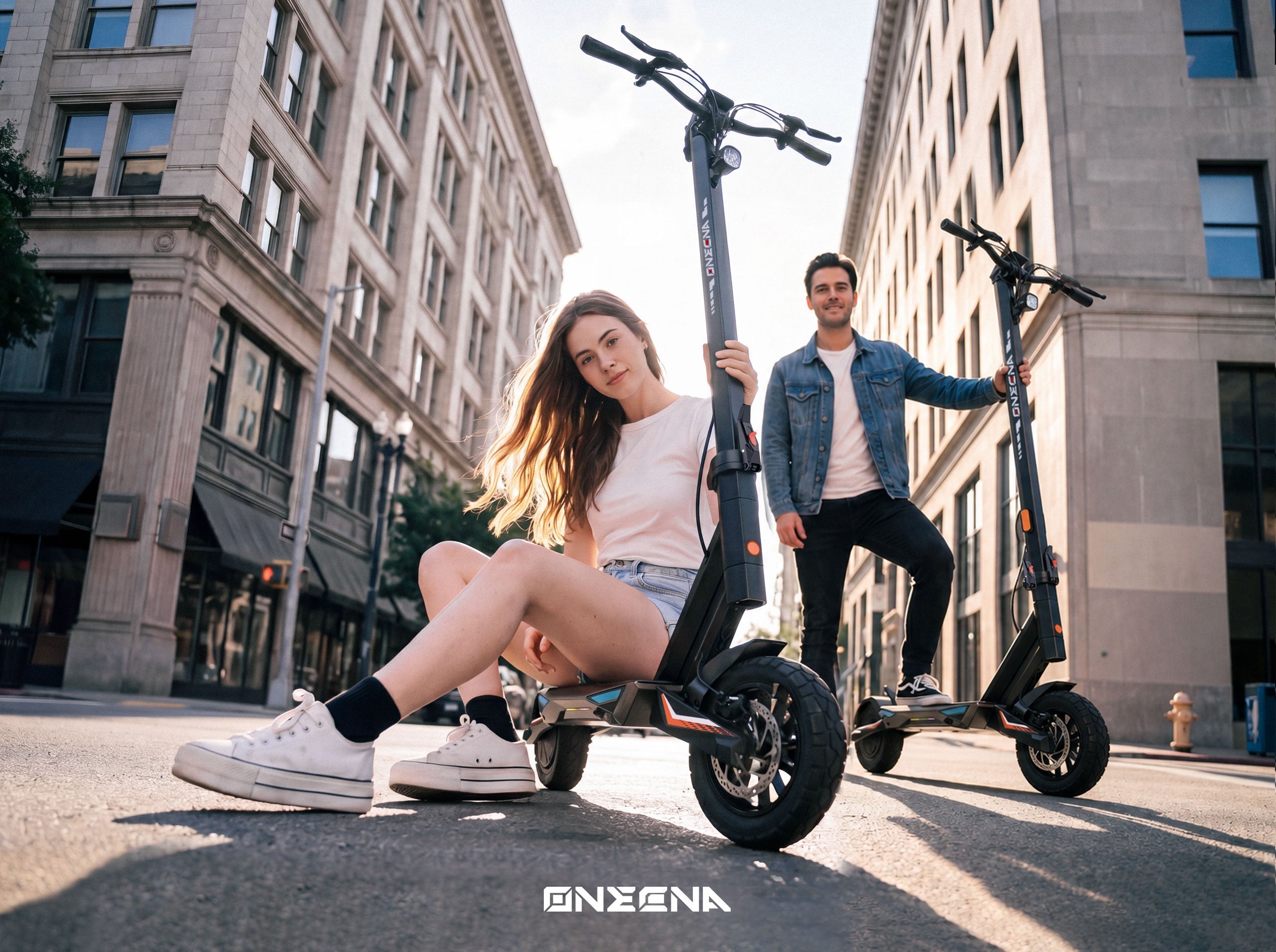
Electric Scooter State Laws Comparison: Speed Limits, Licenses and Helmet Rules
Electric scooter state laws comparison is something every rider should do before they roll out — because the rules change the moment you cross a state line. Speed limits, license requirements, and helmet mandates vary dramatically across the US, and what’s perfectly legal in one city can earn you a fine in the next. This guide cuts through the noise and gives you a clear, state-by-state breakdown of what the law actually requires in 2026.
📋 Article Outline
- Why State E-Scooter Laws Differ So Much
- The Three Variables That Matter Most: Speed, License, Helmet
- State-by-State Breakdown (CA, TX, FL, NY, WA, CO, IL, AZ)
- Master Comparison Table
- What “Street Legal” Actually Means for Your Scooter
- When the Law Changes — and How to Stay Current
- Practical Checklist Before You Ride
- FAQ
Why State E-Scooter Laws Differ So Much
There is no federal law governing personal electric scooters in the United States. The federal government classifies them as “consumer products” under the Consumer Product Safety Commission (CPSC), which sets manufacturing safety standards — but says nothing about where or how you can ride them on public roads.
That regulatory gap means every state legislature writes its own rules. And because e-scooters are still relatively new as a mainstream transportation category, many states have updated their laws multiple times in the past five years. Some cities layer additional ordinances on top of state law, creating a patchwork that even experienced riders find confusing.
The practical result: a rider who commutes legally in Denver could be breaking the law the moment they ride the same scooter in Miami. Understanding the differences isn’t optional — it’s the foundation of riding responsibly.
The Three Variables That Matter Most
1. Speed Limits
Most states cap e-scooters at 20 mph on public roads. A few states allow up to 25 mph in certain zones, while some municipalities enforce lower limits (15 mph or less) in high-pedestrian areas. The speed limit applies to the scooter’s operation — not just its top capability. Riding a scooter capable of 40 mph at 20 mph is still legal in most jurisdictions, as long as you stay within the posted limit.
2. License Requirements
Most states do not require a driver’s license to ride a compliant e-scooter. However, several states require a minimum age (typically 16), and a handful require a valid ID or learner’s permit for younger riders. A few states treat higher-wattage scooters as mopeds, which do trigger license requirements. Knowing your scooter’s motor rating is essential here.
3. Helmet Rules
Helmet laws are the most variable of the three. Some states mandate helmets for all riders regardless of age. Others require them only for riders under 16 or 18. A few states have no helmet requirement at all for adults. Local ordinances can override state law in either direction — a city can require helmets even if the state doesn’t.
State-by-State Breakdown
🌴 California (CA)
California was one of the first states to formally regulate e-scooters, and its framework has become a reference point for other states.
- Speed limit: 15 mph on bike paths; 15–25 mph on roads depending on local ordinance
- License: No driver’s license required; minimum age 16
- Helmet: Required for riders under 18; adults exempt (though strongly recommended)
- Where to ride: Bike lanes preferred; roads allowed where no bike lane exists; sidewalks prohibited in most cities
- Registration: Not required for compliant scooters
City note: San Francisco, Los Angeles, and San Diego each have additional local rules. SF has historically been the most restrictive; LA has a robust shared scooter program with geofenced speed zones.
🤠 Texas (TX)
- Speed limit: 20 mph on public roads
- License: Not required; minimum age 10 (with adult supervision under 16)
- Helmet: Required under 18; adults exempt
- Motor ceiling: 750W without triggering moped classification
- Where to ride: Roads ≤35 mph, bike lanes; sidewalks vary by city
🌴 Florida (FL)
- Speed limit: 20 mph
- License: Not required; minimum age 16
- Helmet: Required under 16; adults exempt
- Motor ceiling: 750W
- Where to ride: Bike lanes and roads ≤35 mph; sidewalks prohibited in most municipalities
City note: Miami and Orlando have active shared scooter programs with geofenced zones. Personal scooters follow state law but must yield to pedestrians in all shared spaces.
🗽 New York (NY)
- Speed limit: 20 mph statewide
- License: Not required; minimum age 16
- Helmet: Required under 18; adults exempt (NYC Vision Zero strongly encourages universal helmet use)
- Motor ceiling: 750W
- Where to ride: Bike lanes required where available; roads ≤30 mph; sidewalks prohibited statewide
- Night riding: White front light + red rear reflector legally required
🌲 Washington (WA)
- Speed limit: 20 mph
- License: Not required; minimum age 16
- Helmet: Required under 16 (state law); Seattle has a universal helmet ordinance for all ages
- Motor ceiling: 1,000W — the highest of any major state
- Where to ride: Bike lanes, roads ≤25 mph, most multi-use trails; sidewalks permitted in most areas
🔵 Colorado (CO)
- Speed limit: 20 mph
- License: Not required; minimum age 16
- Helmet: Required under 18; adults exempt
- Motor ceiling: 750W
- Where to ride: Bike lanes and roads ≤30 mph; sidewalks prohibited in most urban areas
City note: Denver has one of the most active personal e-scooter communities in the US, with well-maintained bike infrastructure and clear lane markings.
🏙️ Illinois (IL)
- Speed limit: 20 mph statewide
- License: Not required; minimum age 16
- Helmet: Required under 18; adults exempt
- Motor ceiling: 750W
- Where to ride: Bike lanes required where available; roads ≤30 mph; sidewalks prohibited
- Night riding: White front light visible from 500 feet + red rear reflector required
🌵 Arizona (AZ)
- Speed limit: 20 mph
- License: Not required; minimum age 16
- Helmet: No statewide helmet requirement for any age (local ordinances may differ)
- Motor ceiling: 750W
- Where to ride: Bike lanes and roads ≤35 mph; sidewalk rules vary by city
Arizona is one of the most permissive states for adult riders — no helmet mandate at the state level makes it an outlier. That said, Phoenix and Scottsdale have local rules worth checking before you ride.
📊 Master State Comparison Table
| State | Max Speed | Motor Ceiling | License Needed | Helmet (Adults) | Helmet (Under 18) | Sidewalk Riding |
|---|---|---|---|---|---|---|
| California | 15–25 mph | 750W | No | No | Yes | Prohibited |
| Texas | 20 mph | 750W | No | No | Yes | Varies by city |
| Florida | 20 mph | 750W | No | No | Yes (under 16) | Prohibited |
| New York | 20 mph | 750W | No | No | Yes | Prohibited |
| Washington | 20 mph | 1,000W | No | No* | Yes (under 16) | Permitted* |
| Colorado | 20 mph | 750W | No | No | Yes | Prohibited |
| Illinois | 20 mph | 750W | No | No | Yes | Prohibited |
| Arizona | 20 mph | 750W | No | No | No* | Varies by city |
*Seattle universal helmet law applies to all ages. Washington sidewalk rules vary by municipality. Arizona has no statewide helmet mandate but local ordinances may differ.
What “Street Legal” Actually Means for Your Scooter
The phrase “street legal” gets used loosely, but it has a specific meaning in the context of e-scooter law. For a personal electric scooter to be legally operated on public roads in most US states, it generally needs to meet all of the following:
- Motor at or below the state’s wattage ceiling — 750W in most states, 1,000W in Washington
- Maximum speed of 20 mph — either mechanically governed or rider-controlled
- Functional front and rear brakes
- Front white light + rear red reflector or light for night riding (required in all 8 states covered here)
- No illegal modifications — removing speed limiters or upgrading motors beyond legal specs can reclassify your scooter as a moped or motor vehicle
A practical example: the ONECNA GT9 is built for off-road performance with a motor that exceeds street-legal wattage thresholds in most states. That makes it an excellent trail and off-road machine — but riders should understand that off-road specs and street-legal specs are separate categories. Always verify your scooter’s motor rating against your state’s legal ceiling before riding on public roads.
When the Law Changes — and How to Stay Current
E-scooter legislation is one of the fastest-moving areas of transportation law in the US. Between 2019 and 2026, nearly every major state has revised its e-scooter statutes at least once. Here’s what typically triggers a law change:
- Shared scooter program expansions — when cities add Bird, Lime, or Spin programs, they often update personal scooter rules at the same time
- Injury data and safety reports — a spike in e-scooter-related ER visits in a city often leads to tighter local ordinances within 12–18 months
- Technology changes — as scooters get faster and more powerful, legislatures update wattage and speed definitions
- Advocacy and lobbying — micromobility advocacy groups have successfully pushed for more permissive laws in several states
How to Stay Current
- Check your state DMV website annually — most publish updated micromobility guidelines
- Check your city’s transportation department website for local ordinances
- Search “[your state] electric scooter law 2026” before any trip to a new city
- If you’re crossing state lines, research the destination state’s rules before you go — your home state’s rules don’t travel with you
✅ Practical Checklist Before You Ride
Before your first ride in any new location, run through this quick checklist:
- ☐ Know your scooter’s motor wattage — check the spec sheet or manufacturer’s website
- ☐ Verify the state speed limit for e-scooters in your destination
- ☐ Check local helmet rules — state law + city ordinance
- ☐ Confirm where you can ride — bike lane, road, sidewalk, or trail
- ☐ Check your lights — front white light and rear red reflector/light for any after-dark riding
- ☐ Verify minimum age rules if riding with younger family members
- ☐ Check for any local pilot zones or geofenced areas if you’re in a city with a shared scooter program
❓ FAQ
Do I need a driver’s license to ride an electric scooter in the US?
In most states, no. The majority of US states do not require a driver’s license to operate a compliant electric scooter. However, most states set a minimum age of 16, and some require a learner’s permit or valid ID for riders in that age range. If your scooter’s motor exceeds the state’s legal ceiling (typically 750W), it may be reclassified as a moped, which does require a license.
What is the most common speed limit for e-scooters across US states?
20 mph is the most common cap, shared by the majority of states including TX, NY, FL, WA, CO, IL, and AZ. California is the main exception, with a 15 mph limit on bike paths and variable limits on roads depending on local ordinance.
Which state has the most permissive e-scooter laws?
Washington state stands out for its 1,000W motor ceiling — higher than any other major state — and its relatively permissive sidewalk rules. Arizona is notable for having no statewide helmet requirement for any age. That said, “most permissive” depends on what matters most to you as a rider.
Are helmet laws the same in every city within a state?
No. State law sets the floor, but cities can add requirements. Seattle’s universal helmet ordinance is the clearest example — Washington state only requires helmets for riders under 16, but Seattle requires them for everyone. Always check both state and city rules.
Can I ride my e-scooter on the highway?
No. All US states prohibit e-scooters on highways, freeways, and roads with speed limits above 30–35 mph. This applies regardless of your scooter’s top speed capability.
What happens if my scooter’s motor is over the legal wattage limit?
Your scooter may be legally reclassified as a moped or motor vehicle in most states. This typically triggers registration, insurance, and driver’s license requirements. Operating an unregistered moped on public roads can result in fines and impoundment.
Do e-scooter laws apply on private property or off-road trails?
Generally, no. State traffic laws apply to public roads, bike lanes, and public paths. Private property and designated off-road trails operate under different rules set by the property owner or trail authority. If you’re riding off-road, confirm the trail’s own rules before you go.
How often do e-scooter laws change?
More often than most riders expect. Between 2019 and 2026, nearly every major state has revised its e-scooter statutes at least once. Checking your state DMV website annually and searching for updated local ordinances before riding in a new city is the most reliable way to stay current.
Is night riding legal on an e-scooter?
Yes, in most states — but only with proper lighting. A white front light and a red rear reflector or light are legally required for night riding in all eight states covered in this guide. Riding after dark without compliant lighting is a citable offense.
Disclaimer: This article is for informational purposes only and does not constitute legal advice. E-scooter laws change frequently. Always verify current regulations with your state’s DMV or local transportation authority before riding.
Share:
Riding Legal: GEO-Specific E-Scooter Rules for TX, NY, WA & IL Riders
Electric Scooter Speed Limits in Texas, NY, WA & IL: 2026 Guide